Durability is what gets talked about, but for the installer the real difference heat treatment makes is dimensional stability. The reason sits in the chemistry of the wood.
What hygroscopic means
Untreated timber is hygroscopic: it takes up and gives off moisture from the air, swelling and shrinking as it goes. The component doing most of that water-holding is hemicellulose in the cell wall.
What the heat changes
Between 180 and 215 °C, in steam and without oxygen, part of the hemicellulose breaks down. What remains binds far less water. The result is timber that moves noticeably less across the same humidity swing, with a lower equilibrium moisture content.
What that means on site
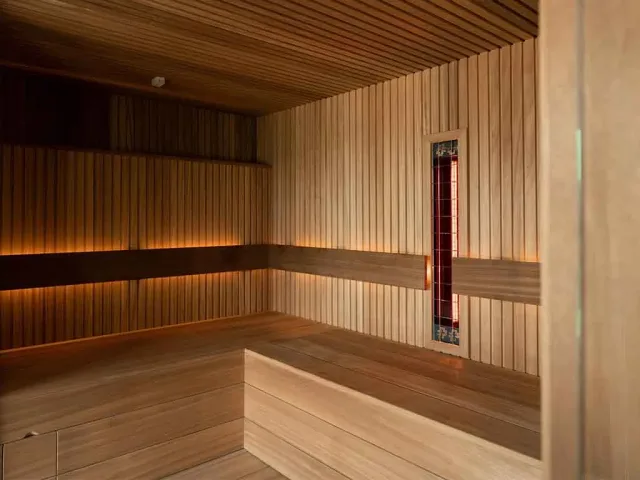
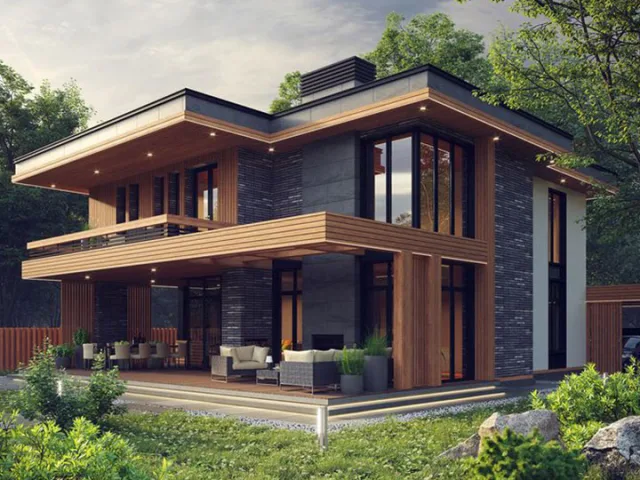
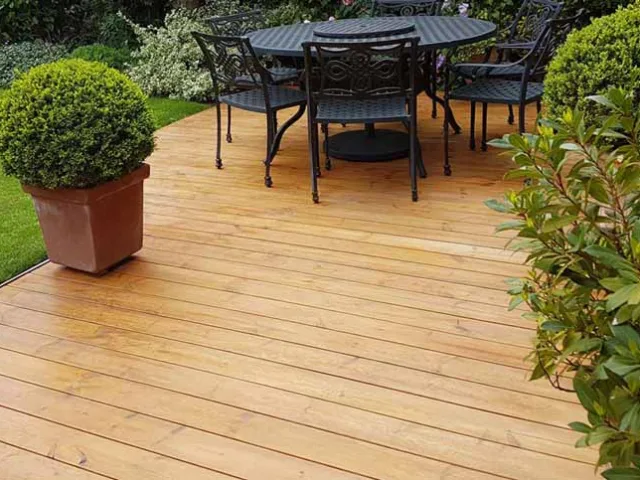
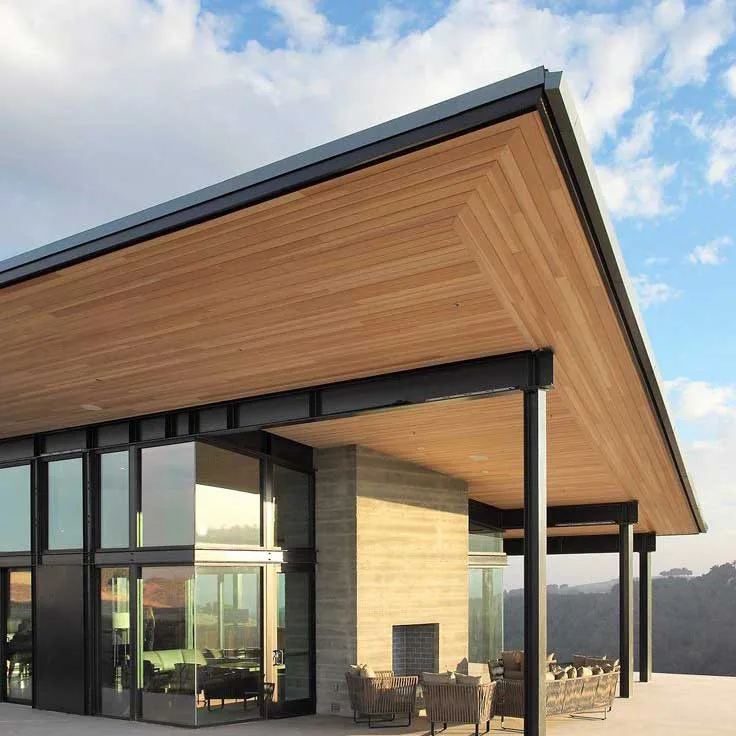
Interlocking details on cladding stay tight through the seasons. Joints on a deck look the same in summer and winter. Sauna panelling does not push against itself. And because there is less for fungus to feed on, biological durability rises at the same time.
What it costs
There is a trade, and it is worth being straight about it: heat treatment reduces bending strength somewhat. That is why Thermowood is used for cladding and flooring, not for structural members. Used in the right place, it is a chemical-free, stable and long-lived material.